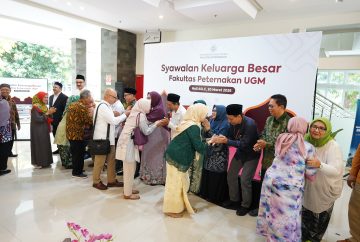
FAKULTAS PETERNAKAN UGM Temukan Program Kami Rilis Berita HMP Pascasarjana Fapet UGM Perkuat Kompetensi Publikasi Ilmiah melalui Workshop High-Impact Journals 08 September 2026 Menyulap Naungan Jati Wanagama Jadi Lumbung Hijauan: Tim Pengabdian UGM Inisiasi Pengembangan Silvopastura untuk Peternak Gunungkidul 08 September 2026 Perkuat Basis Pakan Ternak, UGM Kenalkan Rumput Unggul Gama Umami di Kawasan Transmigrasi Muting 08 September 2026 Lihat berita selengkapnya Rilis Pers Mahasiswa UGM Juara 1 Duta Bahasa DIY 2025, Siap Wakili Daerah ke Tingkat Nasional 02 Juni 2025 Kembali Digelar untuk Batch #6, Pelatihan Pengelolaan Usaha Peternakan Sapi Komersial Skala Kecil Dilaksanakan di Makassar 25 Juli 2023 Global Food Partners, Fapet UGM, dan Aeres University of Applied Sciences Belanda Bangun Cage-free Innovation and Welfare Hub di Indonesia 07 Juni 2022 Dosen Fapet UGM: Ada Beberapa Potensi Pencemaran Daging Haram yang Perlu Diwaspadai Masyarakat 14 Februari 2022 Fakultas Peternakan UGM dan PT Trouw Nutrition Indonesia Jalin Kerja Sama 24 Januari 2022 Selengkapnya Agenda 19 Agu Syukuran dan Pelepasan Sarjana Fakultas Peternakan Periode IV Tahun Akademik 2025/2026 24 Jul Peresmian Pusat Kajian dan Pelatihan Olahraga Berkuda 22 Jul Pelepasan Wisuda Program Pascasarjana 14 Jul Pelepasan Insinyur Peternakan Semester Genap TA 2025/2026 10 Jul Pelatihan dan Uji Kompetensi Formulator Pakan Selengkapnya Berita UGM Bukan Anggaran Jumbo, Guru Besar UGM Ungkap Kunci Utama Atasi Stunting 8 September 2026 gusti.grehensonCegah Gangguan Oromotor Anak, Tim UGM Kenalkan Aplikasi MyOFunCAre 8 September 2026 gusti.grehensonEnam Gunung Api Erupsi Bersamaan, Dosen UGM Ungkap Penyebabnya 8 September 2026 triya.andriyani Video Profil Fakultas Peternakan UGM Video Selengkapnya Foto Galeri Workshop Peningkatan Kualitas Website dan Media Sosial Syawalan Keluarga Besar Fakultas Peternakan UGM View All
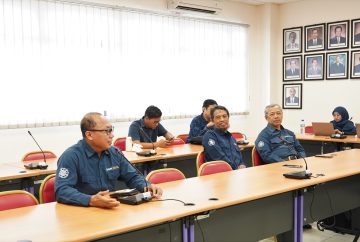
HMP Pascasarjana Fapet UGM Perkuat Kompetensi Publikasi Ilmiah melalui Workshop High-Impact Journals 08 September 2026
Menyulap Naungan Jati Wanagama Jadi Lumbung Hijauan: Tim Pengabdian UGM Inisiasi Pengembangan Silvopastura untuk Peternak Gunungkidul 08 September 2026
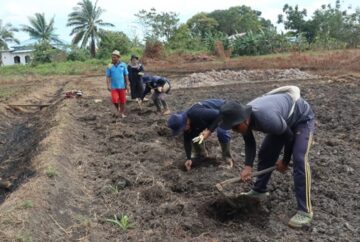
Perkuat Basis Pakan Ternak, UGM Kenalkan Rumput Unggul Gama Umami di Kawasan Transmigrasi Muting 08 September 2026
Kembali Digelar untuk Batch #6, Pelatihan Pengelolaan Usaha Peternakan Sapi Komersial Skala Kecil Dilaksanakan di Makassar 25 Juli 2023
Global Food Partners, Fapet UGM, dan Aeres University of Applied Sciences Belanda Bangun Cage-free Innovation and Welfare Hub di Indonesia 07 Juni 2022
Dosen Fapet UGM: Ada Beberapa Potensi Pencemaran Daging Haram yang Perlu Diwaspadai Masyarakat 14 Februari 2022