Arsip:

Faculty News

Faculty of Animal Science UGM Graduated 13 Masters and 5 Doctors

Faculty of Animal Science (FAS) UGM graduated 13 Masters and 5 Doctors in the graduation ceremony for the October 2020 period. The average GPA of the Master Program graduates was 3.85 and the Doctoral Program was 3.82.

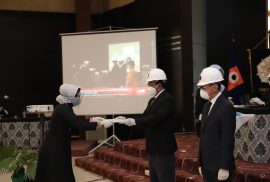
“In the midst of this pandemic, for a moment we are happy because you have finished your studies at UGM. We congratulate you, you are now an alumnus who has the right to hold M.Sc and Doctoral degrees. We hope that the graduates will not stop learning from anyone because actually everyone we meet can provide lessons for all of us,” said the Vice Dean for Academic and Student Affairs, Prof. Ir. Budi Guntoro, S.Pt., M.Sc., Ph.D., IPU., ASEAN. Eng when giving a remark at the graduation ceremony for the Postgraduate Program graduates, Thursday (22/10). read more

Application of Genetic and Molecular Genetic Technology to Increase Animal Productivity

Genetically, livestock from Indonesia or subtropical countries have their respective advantages. However, due to various factors, sometimes the potential for winning cannot be realized. Therefore, efforts are needed to optimize or increase productivity or production performance through reproductive technology.

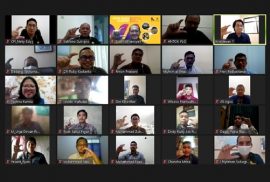
This was said by Ir. Diah Tri Widayati, S.Pt., MP, Ph.D., IPM, lecturer at the Faculty of Animal Science (FAS) UGM in the Obrolan Peternakan (OPERA) event entitled “Application of Genetic and Molecular Reproductive Technology to Increase Animal Productivity, Wednesday (29/9) in Zoom Meeting. read more

FAS UGM Received 59 New Students of Professional Engineering Program in Animal Industry

The Faculty of Animal Science (FAS) UGM received 59 new students of the Professional Engineering Program in Animal Industry in the odd semester of the 2020/2021 academic year. The welcoming ceremony for new students was held online on Tuesday (22/9).

“The engineering program is a mandatory program of the law. Through this program, we are trying to participate in building high quality human resources, which is one of the priorities of the Indonesian government for this period. One of the indicators of high quality human resources is professional attitude and competence,” said the Head of the Animal Science Engineering Vocational Board and the Dean of the FAS UGM, Prof. Dr. Ir. Ali Agus, DAA., DEA., IPU., ASEAN. Eng when giving a remark at a welcoming ceremony for new students. read more

Inclusive Campus for High Quality Human Resources To Supports Food Sovereignty

The livestock industry will be one of the important pillars in the future in terms of economy. This is because the need for animal protein in the form of meat, eggs and milk will be very much needed, especially for people whose income and education are increasing. The increasing need for food must be accompanied by the preparation and improvement of the quality of human resources, one of which is through higher education in animal science.

This was said by the Dean of the Faculty of Animal Science (FAS) UGM when welcoming new students online on Friday (11/9). This year, Faculty of Animal Science UGM has accepted 300 new students. The responsibility to educate the nation’s life in the field of livestock makes the Faculty of Animal Science UGM an inclusive campus, where the Faculty of Animal Science UGM also accepts students with special needs. read more

Farming and Business of Joper Chicken

Ayam Joper is an abbreviation of the words Jowo and Super (Sudah Persilangan/already crossed). This chicken is the descendant of a cross between a native male chicken with a brown laying female with the aim of producing meat. Since 1990, the Joper chicken has attracted entrepreneurs and has begun to be accepted by the community as a substitute for native chicken.

“Ayam Joper emerged because market demand for native chicken meat increased. In this cross, the male elders of the native chickens and the female elders of laying hens are used because it is hoped that the offspring will have the characteristics of native chickens, namely body posture, feather color, claw length and color as well as the taste and texture of the meat like native chicken,” said Prof. Ir. Wihandoyo, M.S., Ph.D in the Obrolan Peternakan (OPERA) entitled Joper Chicken Cultivation and Business which was held online on Wednesday (16/9). read more